






























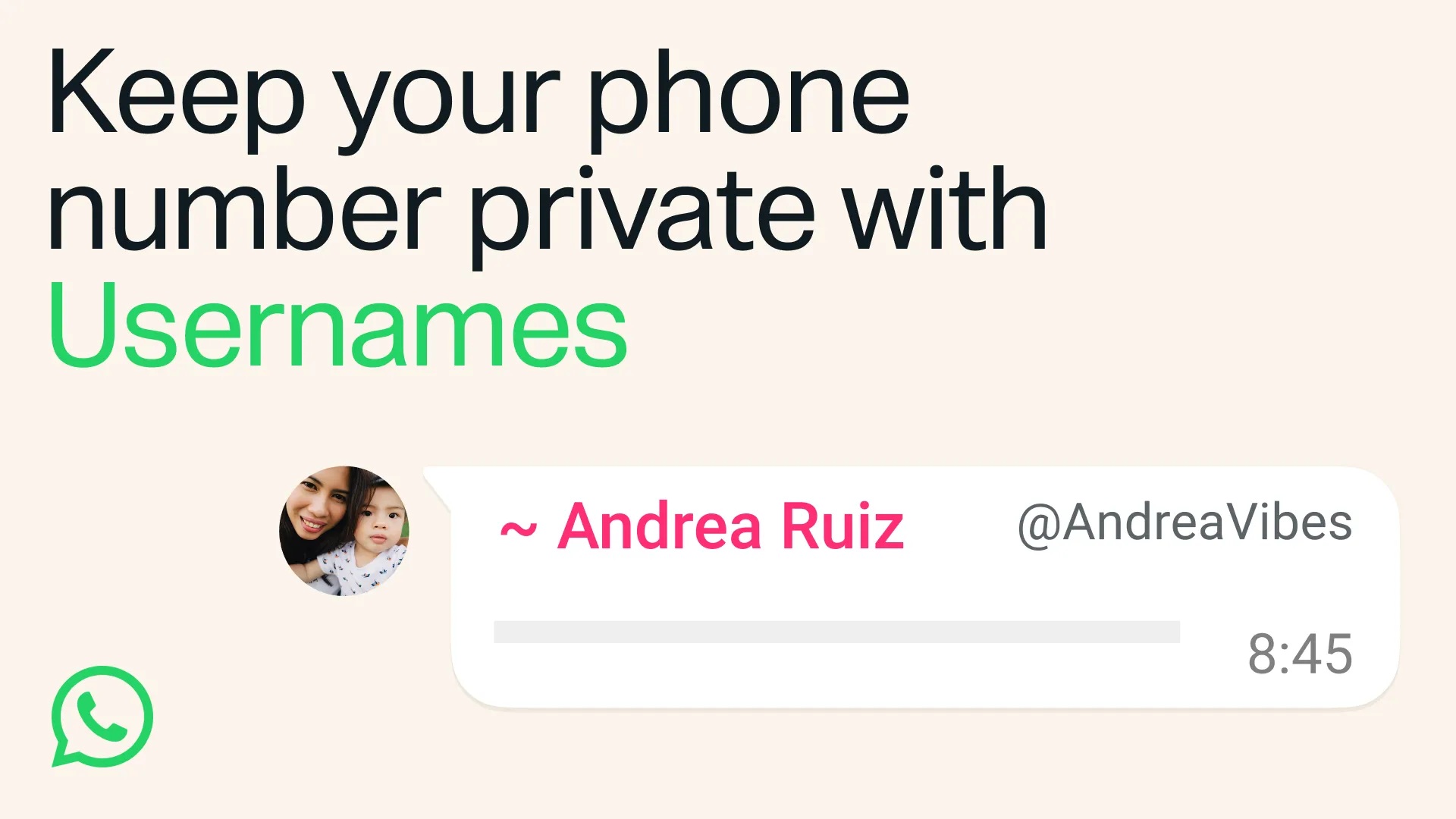
WhatsApp usernames just hit a regulatory speed bump in the app’s biggest market. According to The Indian Express, India’s government has issued a notice to Meta-owned WhatsApp. Officials told the company not to roll out usernames in India until consultations are complete.
Regulators see a simple tradeoff. Usernames can help people avoid sharing phone numbers. However, weak guardrails could also create room for look-alike handles and impersonation. According to the report, officials asked Meta to explain the feature within three days. They also raised concerns about phishing, fraud, digital arrest scams, and fake accounts posing as public figures or institutions.
That makes this more than a local launch hiccup. India has more than half a billion WhatsApp users. Therefore, a pause there affects one of the most important tests for Meta’s privacy-first account system.
Why India is worried
WhatsApp’s pitch is privacy. In its own username announcement, the company said people can reserve a username now. Later, new contacts would not automatically see their phone number.
However, India’s concern is that scammers could abuse familiar-looking names before ordinary users understand the difference. One handle may belong to a verified source, while another may only mimic it. That risk matters in a market where people use WhatsApp for family chats, public services, business messages, payments-adjacent conversations, and community alerts.
The Indian Express says officials worry that bad actors could claim names or close variations tied to prominent people, institutions, and organizations. In practical terms, a fake bank support handle or government-looking account could make an old scam feel more official.
WhatsApp says it built protections
WhatsApp is pushing back on the idea that usernames are open season for impersonators. The company told The Indian Express that it has held high-profile names for public figures, government entities, celebrities, and verified Meta accounts. It also said it is holding look-alike derivatives of known names.
Additionally, WhatsApp says the service still requires a phone number. The company also points to limits on how many new people an account can contact. It says it can block repeated username-key guessing and detect impersonation or abuse patterns.
The username key is the most important piece for regular users. WhatsApp says there will be no directory or suggestions. People need to know an exact username before they can contact someone for the first time. A username key adds another barrier, since someone would need that key as well.
What this means for users
For readers who saw our earlier coverage of WhatsApp usernames reducing phone-number sharing, the feature itself is still aimed at privacy. What changed is the rollout risk. A system that hides phone numbers also needs clear defenses against trusted-looking impostors.
This is also why the story connects to WhatsApp’s broader security burden. Our recent report on WhatsApp and NSO Group targeting claims showed that hard cases often define how people judge privacy tools, not marketing copy.
For now, the practical advice is simple. If WhatsApp lets you reserve a username, claim the handle you actually want. Still, treat the username key as more than an optional extra if your handle is public or easy to guess. Also, do not trust a WhatsApp account just because the username looks familiar. Check context, shared groups, account age warnings, and real-world contact details before responding to sensitive requests.
Meta may still satisfy India’s concerns and move forward. Still, the pause shows the hard part of usernames: they can protect phone numbers, but only if the identity layer is strong enough to stop fake familiarity from becoming a scam tool.